
Follow us


Hiking Authentic Verbier to Zermatt
Duration:
7 days
Fitness:


Infobulle physique
Physical Level 1: For individuals who engage in occasional physical activity, positive elevation gain up to 250m or distance up to 5km.
Physical Level 2: For individuals who engage in regular physical activity, positive elevation gain up to 500m or distance up to 10km.
Physical Level 3: For individuals who engage in regular endurance activities, positive elevation gain up to 1000m or distance up to 20km or multi-day routes without carrying personal belongings.
Physical Level 4: For individuals who engage in regular endurance activities, positive elevation gain up to 1400m or distance up to 25km or multi-day routes with carrying personal belongings.
Physical Level 5: For individuals who engage in intensive endurance activities, positive elevation gain exceeding 1400m or distance exceeding 25km.
Technique:
Infobulle technique
Technical Level 1: For walkers, capable of navigating wide mountain trails suitable for vehicles.
Technical Level 2: For occasional hikers, capable of navigating non-technical mountain trails.
Technical Level 3: For regular hikers, capable of navigating slightly uneven mountain trails with roots or rocks.
Technical Level 4: For experienced hikers, capable of navigating rugged mountain trails with boulders, large steps, or exposed sections.
Technical Level 5: For seasoned hikers, capable of navigating off-trail routes or mountain trails with equipped sections, such as cables or ladders.
Comfort :


Level 1. The comfort of your stay is minimalist. You sleep in a tent and carry your personal belongings throughout the stay.
Level 2. The comfort of your stay is limited. You mostly sleep in refuges or hostels, in dormitories, and carry your personal belongings throughout the stay.
Level 3. The comfort of your stay is intermediate. You mostly sleep in refuges, hostels, or hotels, in dormitories. Assistance is provided for the transport of your personal belongings, when possible.
Level 4. The comfort of your stay is high. You mostly sleep in hotels, in rooms. Assistance is provided for the transport of your personal belongings, when possible.
Level 5. The comfort of your stay is very high. You mostly sleep in 3- or 4-star hotels in rooms. Assistance is provided for the transport of your personal belongings, when possible.
General information
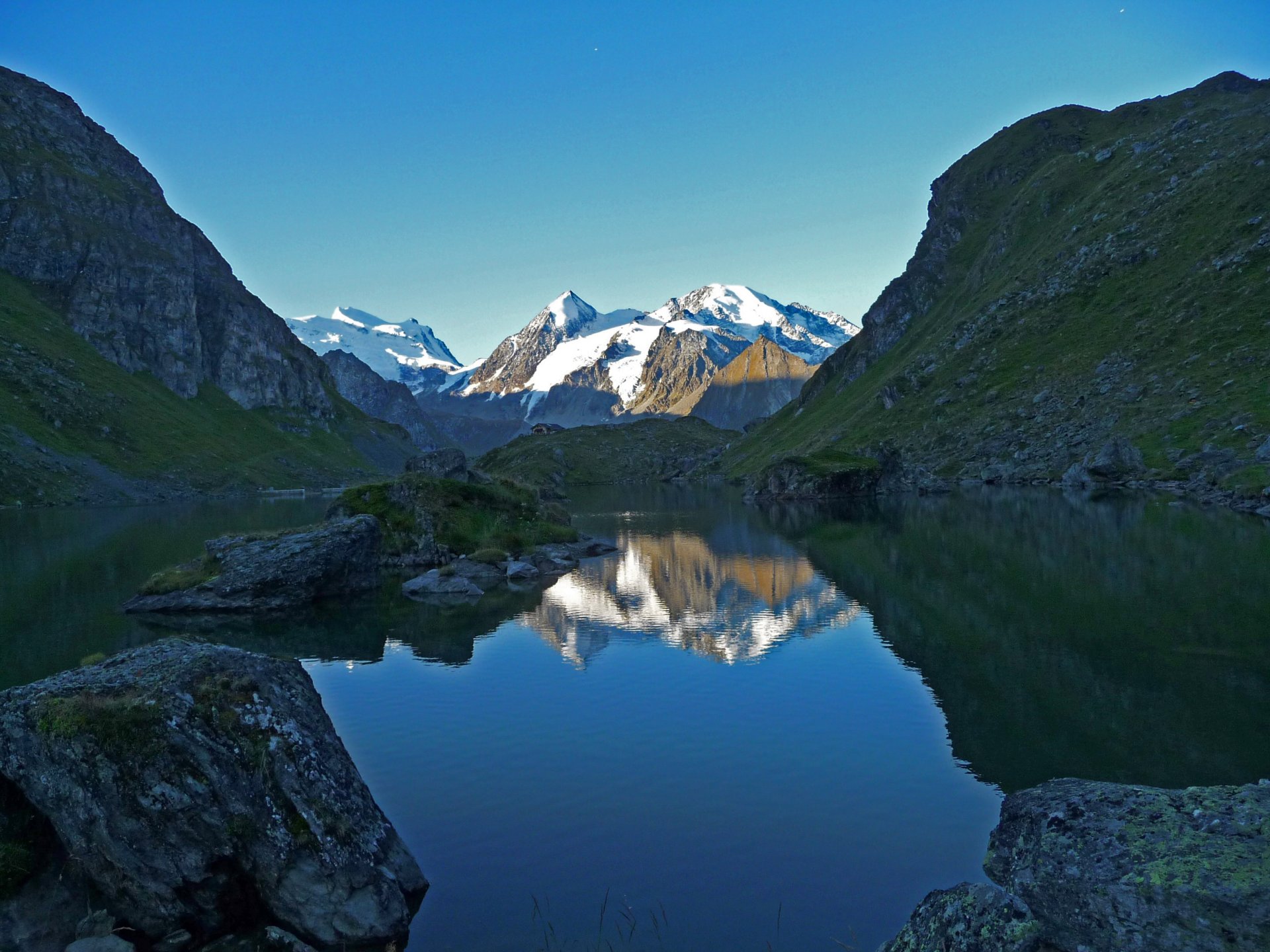
Reconnect with nature on this authentic trekking adventure from Verbier to Zermatt, nestled in the heart of the Swiss Alps. This rich and rewarding experience invites you to discover the majestic mountains of Valais and immerse yourself in local cultures. Walk from hut to hut, pass through picturesque villages, and fully embrace the breathtaking beauty of the mountains, guided by the stories and thoughtful advice of your mountain leader. A unique opportunity to explore and appreciate the natural and cultural heritage of this remarkable region. Head out on the trails with your backpack, spend your nights in mountain huts, and dive into an authentic experience, deeply rooted in the local terroir.
This tour is an alternative to our Chamonix-Zermatt Haute Route. It offers you the chance to explore the Valais mountains, much like the Haute Route, but with a different approach. For this terroir-focused journey, you carry your belongings for the week in your backpack and spend your nights in dormitory-style huts or inns. Transfers are done using local transportation, and provisions are sourced in the villages along the way or at the huts.
Private booking
A private booking is the historical relationship that binds a mountain leader to their clients. It allows you to be alone or in your own group with your mountain leader who will meet your specific needs.It is undoubtedly the ideal formula realise your projects because it guarentees you a maximum amount of comfort. You are free to choose your departure date (subject to the availability in the accommodation). Depending on the weather conditions, the proposed route can be adjusted according to your level and expectations, the professional can suggest alternatives to the itinerary.
Prices 2026 :
1 person : 8480 € per person
2 people : 4825 € per person
3 people : 3605 € per person
4 people : 2995 € per person
5 people : 2630 € per person
6 people : 2385 € per person
7 people : 2210 € per person
8 people : 2080 € per person
9 people : 1980 € per person
10 people : 1900 € per person
11 people : 1830 € per person
12 people : 1775 € per person
The price includes :
- the organization and supervision by a state qualified trekking guide
- half-board accommodation (dinner, breakfast and night) in mountain huts and basic hotels (4-bed room & dormitory)
- picnic lunches
- lift passes
- transfers throughout the hike
- Shuttle back to Chamonix
Not included in the price :
- drinks and personal expenditure (souvenirs…)
- repatriation insurance (compulsory). Cancellation Insurance highly recommended
Further information
In this section, find all the information about this activity. For further information, please contact our advisor (contact details above).
Meeting point : Meet at 7.30 am in front of the Compagnie des Guides in Chamonix.
Ability level : 4/5 - The Verbier Zermatt haute route is a strenuous trek. A minimum of 800m (2700ft) and a maximum of 1450m (4700ft) vertical gain and about 6 to 8 hours of hiking daily. Hiking on generally well-maintained mountain trails, sometimes including out-of-trail sections. A great multiday hike for people with trekking experience. Good physical training and multiday hiking experience on mountain trails are required.
Itinerary: The guide may need to adjust the itinerary based on weather conditions and/or the physical and/or technical abilities of the group
Guiding policy : minimum 7 and maximum 12 people per guide. The Compagnie des Guides de Chamonix's guiding policy is one of the strictest in the mountain guiding business. It guarantees the most balanced groups as possible as well as high-quality personalised advice.
Important: Registration possible from 16 years of age. Registration is not permitted to anyone under the age of 18 without a legal guardian.
Accomodation :
- During the trip : 2 nights in mountain huts (dormitory), 2 nights in hotels (double room*), 2 nights in inns (dormitory).
* For people signing up alone, we cannot guarantee that you will share your room with a person of the same gender.
- Before & after the trip : benefit from preferential prices from our partner hotels in Chamonix. If you wish to receive information just ask the Randonnée department.
Documentation :
- Participants must have sports insurance with repatriation cover. We strongly recommend that this also includes cancellation cover. You can take out insurance offering both of these types of cover when you sign up.
- Participants must also take valid ID with them.
Preparing for the trip : There is an information meeting with your mountain leader the day before departure at 6pm at the Compagnie des Guides Office.
Documents available for download
Equipment
We recommend that you take special care in choosing your equipment because it contributes greatly to the success of your trip. As alpine conditions can be highly variable with sudden changes, it can get very cold in altitude, it is preferable to have numerous layers rather than one thick piece of clothing. It is not uncommon to have snow in the middle of summer, do not skimp on warm clothes even if the weather seems favourable. Contrarily, the sun can be scorching hot. Without weighing too much, you should always have sufficient equipment in your backpack to deal with the capricious and severe weather.
Equipment
- A backpack with a capacity of at least 40 litres (better too big than too small). Make sure you have enough space for the picnic. A small tip in case it rains : even if you have a backpack cover, always protect your belongings in a plastic bag (a big rubbish bag) inside your backpack.
- A pair of top-quality hiking boots with Vibram soles. For new shoes, we strongly suggest that you wear them beforehand to mold them to the shape of your foot. If you are prone to blisters : talcum powder applied to dry feet and in your shoes before you start your days hiking.
Clothing
For added comfort regarding underwear, (t-shirts, boxers, socks), avoid cotton which is heavy, cold and dries very slowly. Opt for synthetic technical fabrics or wool, which is making a comeback. They are warmer and dry quickly.
For the day :
- 1 short-sleeved t-shirt
- 1 long-sleeved t-shirt (technical fabric)
- 1 polar fleece
- 1 light down jacket (or a second fleece)
- 1 pair of shorts
- 1 pair of hiking trousers
- 1 pair of hiking socks (technical fabric)
- 1 Goretex jacket (waterproof windbreaker)
- 1 poncho (large rain cover that fits over your pack) or 1 pack cover
- 1 pair of waterproof trousers (although light Gore-tex trousers are expensive, other types of light waterproof trousers will do)
- Sun hat or baseball cap
- 1 warm hat
- 1 pair of gloves
For the entire trip :
- At least 2 changes of clothes - t-shirt, underwear & socks (technical fabric)
- 1 pair of long underwear (technical fabric)
- 1 pair of ultra-light shoes (i.e. flip flops, slippers)
- optional : short gators (start of the season)
Accessories
For the day :
- Sunglasses
- Sun cream and lip salve
- 1 water bottle (minimum 1 litre but 1.5 litres is better)
- 1 knife
- 1 fork (type "spork")
- 1 pair of telescopic poles
For the entire trip :
- 1 sleeping bag liner
- Flashlight or headlight
- Personal pharmacy : elastoplast, (stretchable strapping tape), band-aids "second skin" kit, compresses, medicines for common ailments : diarrhea, constipation, sore throat, headaches, pain relief, allergies and any prescribed medication. The mountain leader always carries a first aid kit with them. Remember that packing light is essential.
- Toiletries, hand towel, earplugs
- Identification (passport or ID card)
- Money for your personal expenses
- A bit of soap for laundry
Our Rental Partners : You can rent your equipment with our rental shops partners and benefit from special price Millet (excluding crampons, ice axes and helmet), Sanglard Sports, Ravanel & Co & Concept Pro Shop
Our Equipment Partners : Millet, Dynastar, Julbo, Grivel & Monnet
Itinerary
Day 1
Grand Désert - Cabane de Prafleuri
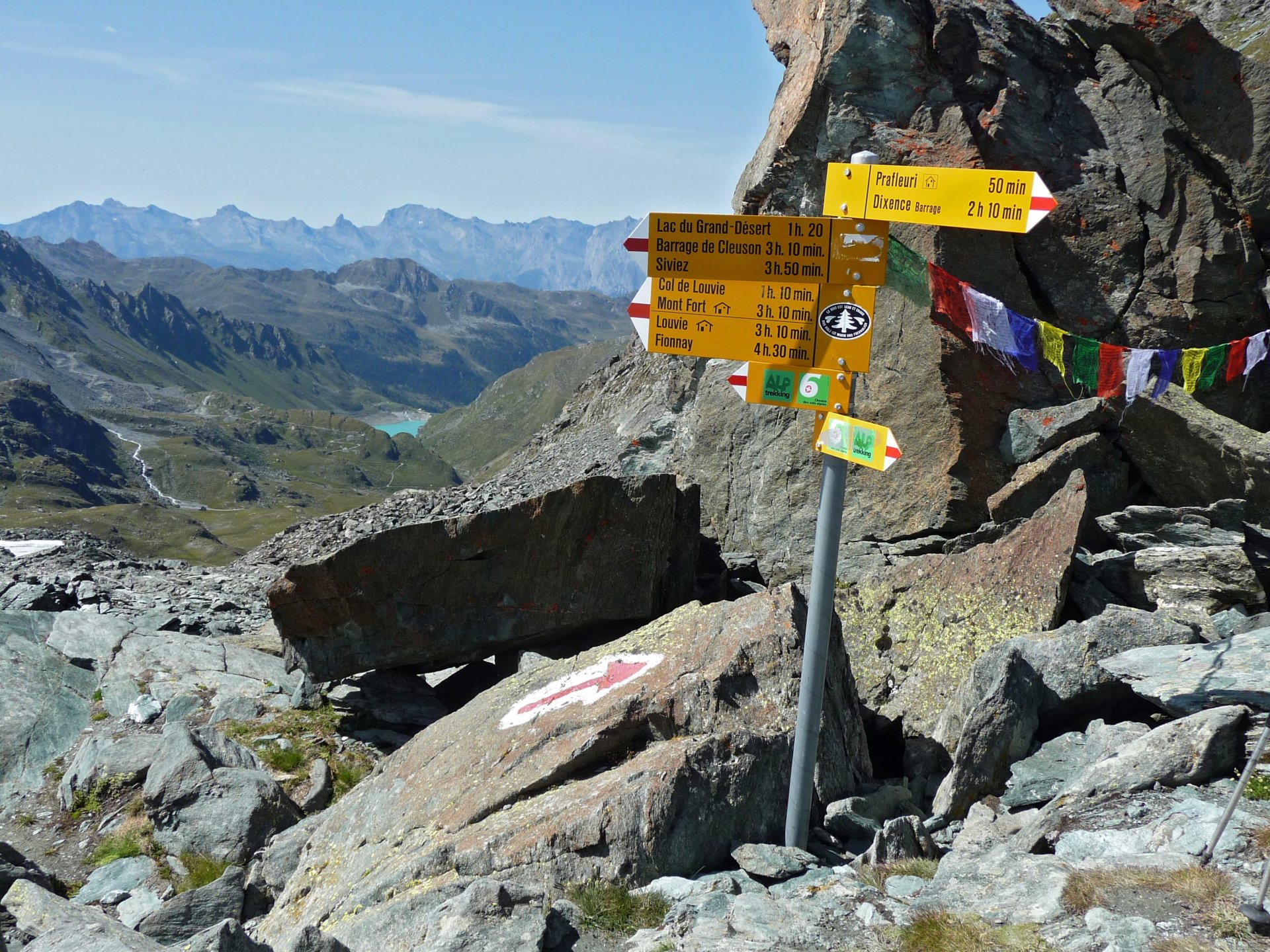
We begin our hike through abandoned pastures, where chamois and ibex benefit from a rich and abundant grass that is difficult for livestock to access. A long climb, sometimes steep with a few crossings and scree to cross, lifts us to the first pass of the day: Louvie (9,583ft). From there, we switch to a more mineral universe, where glaciers and moraines leave little room for vegetation. We cross the Great Desert, up to the Prafleuri pass (9,799ft). We then see the Dent Blanche, the Pigne d'Arolla and part of our future stage before going down to the comfortable Prafleuri hut (7,421ft) where we will spend the night. Long but exceptional day without being technical, this stage is considered trying, the diversity of the terrains crossed is the main reason.
Elevation gain : 3,300 feet – Vertical loss : 2,000 feet - Distance : 7 miles
Day 2
Col de Riedmatten - Arolla
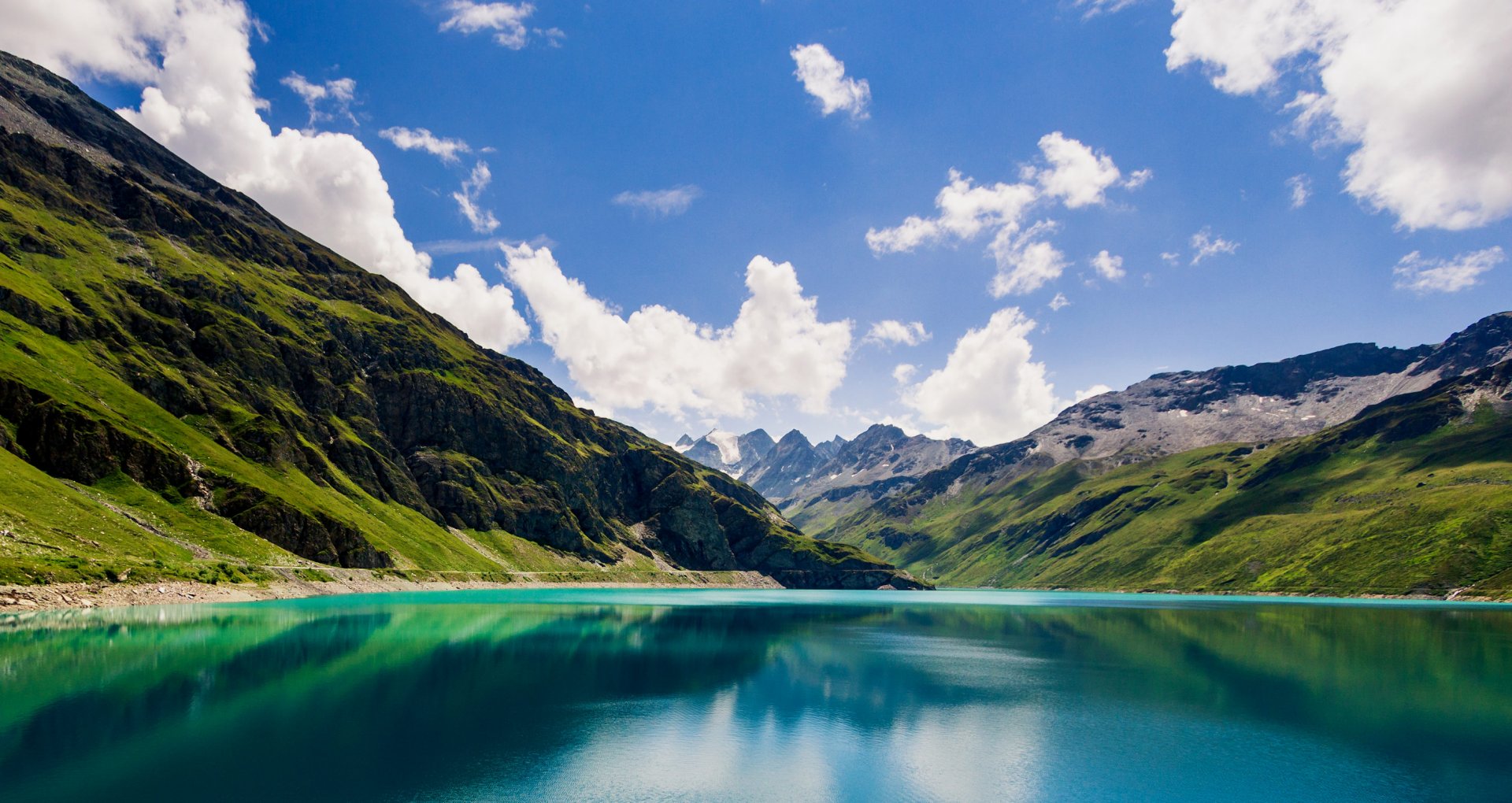
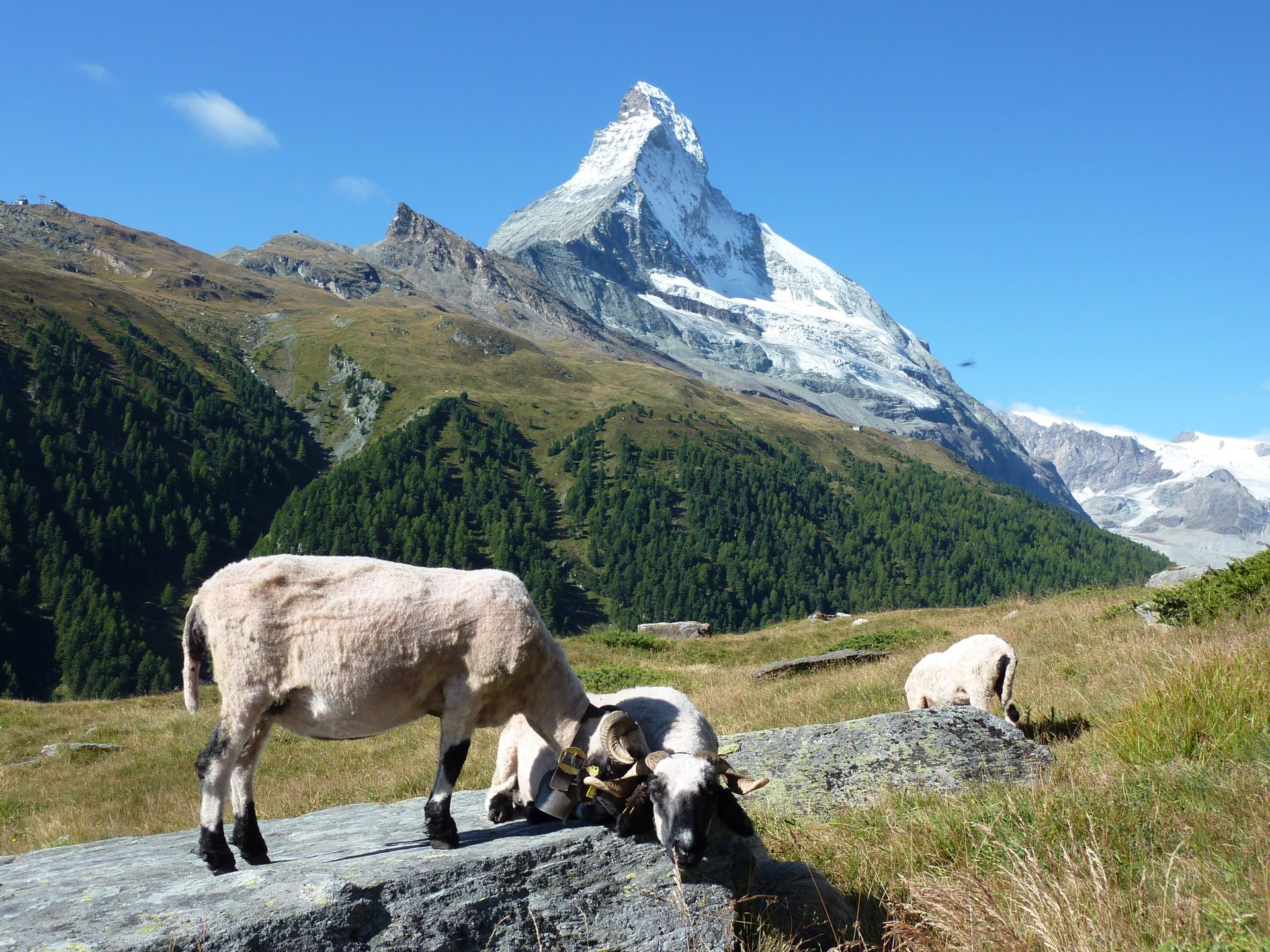
A small warm-up climb takes us to Col des Roux (9,199ft). The view of Lac des Dix is superb, which is improves as we cross the Barma pastures. At the end of the lake, the Pas du Chat (7,782ft) gives access to the other bank. It’s the start of a long climb along the Cheilon Glacier moraine, against the backdrop of Mont-Blanc de Cheilon. Crossing the Col de Riedmatten (9,576ft), where the Matterhorn reveals its peak, then descend to Arolla with the Tsijiorne Nouve glacier and Mont Collon as a backdrop. Magnificent ! Night in a hotel in Arolla.
Elevation gain : 2,300 feet - Vertical loss : 4,300 feet - Distance : 10.5 miles
Day 3
Lac de Moiry - Zinal
Short early morning transfer to Le Cotter above the village of Haudères. A pleasant climb leads us to the Col de Torrent (9,573ft). It’s in this postcard setting, against the backdrop of the Dent Blanche, that the path descends through the mountain pastures to Lac de Moiry. To reach Zinal, where we will spend the night, we have to cross the Col de Sorebois (9,225ft), from where the view is unforgettable: Bishorn, Weisshorn, Zinalrothorn, Obergabelhorn. On the descent, we discover the Val d'Anniviers, then the cable car to the small station of Zinal. Night in a hotel in Zinal.
Elevation gain : 5,300 feet – Vertical loss : 3,300 feet - Distance : 11.2 miles
Day 4
Col de la Forcletta - Grüben
The departure from Zinal is very steep, but the climb gives us an increasingly clear view. We find the Dent Blanche, then the Ober Gabelhorn. Valais is a bilingual district, leaving Zinal we leave behind the French part. As we cross the Col de Forcletta (9,429ft), we pass into the German part. If the topography changes, the landscapes always remain magnificent. Beautiful views of the Bishorn and its two peaks as well as the Weisshorn and the Brunegg and Turtmann Glaciers. It’s in the Val de Tourtemagne (Turtmantal) that The summer village of Grüben is located. Overnight at Hotel Schwarzhorn.
Elevation positive: 4,000 feet - Vertical loss : 3,300 feet - Distance : 10.5 miles
Day 5
Grüben - Zermatt
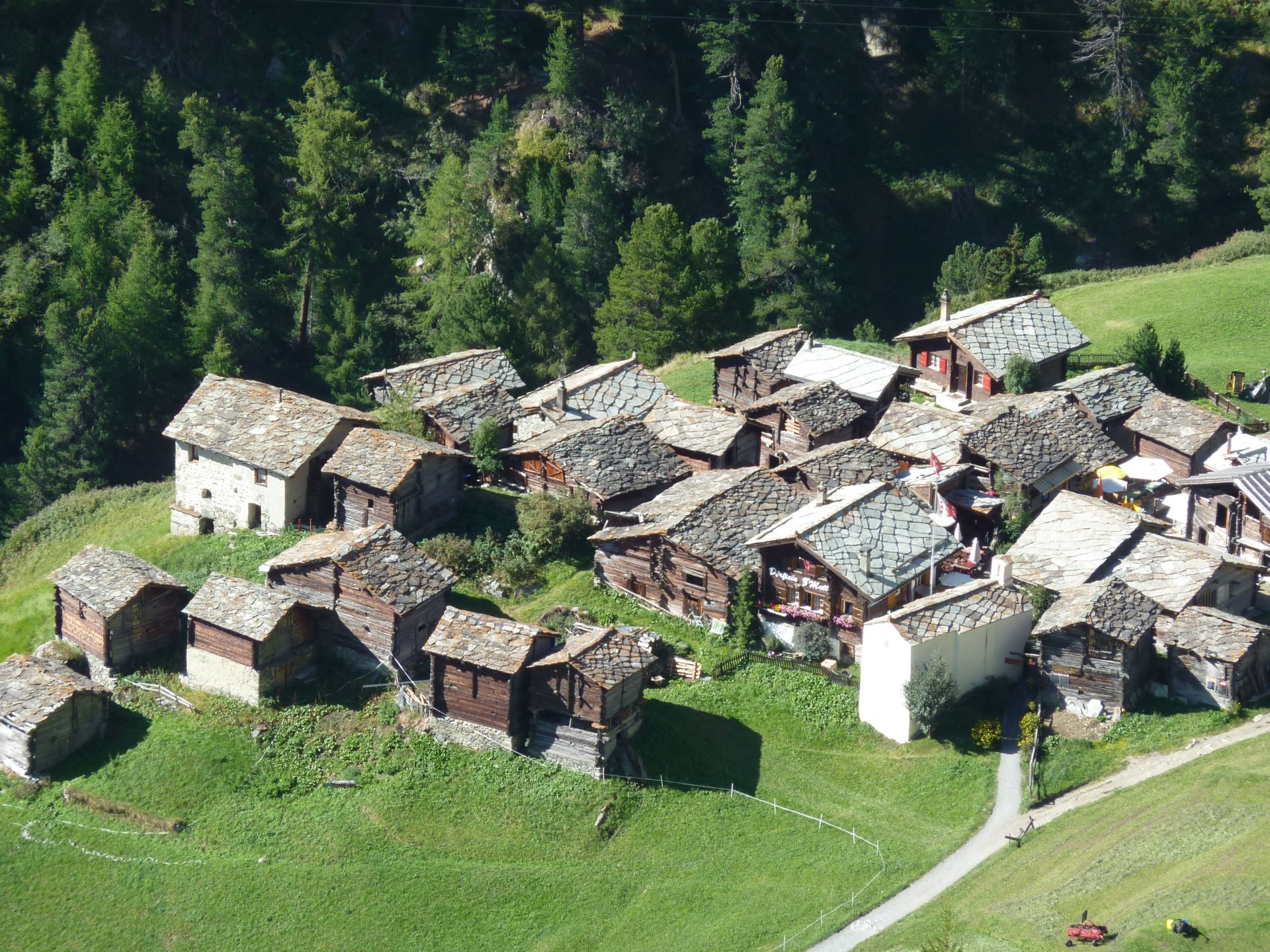
Although the last pass of the trip is quite hard to pronounce, the Augsbordpass is easy to hike to. During the long descent to St Niklaus looking down to Mattervispa valley, we stop at the alpine village of Jungu, and take a moment to admire the surrounding summits : the Weissmies, the Mischabel range with its many 13,123ft peaks (Dom, Täschhorn, etc...). From Jungu, we hike down an ancient Way of the Cross to the small town of St Niklaus. We reach Zermatt by train, where we spend the night.
Elevation gain: 3,600 feet - Vertical loss 5,900 feet - Distance : 11.2 miles
Day 6
Zermatt
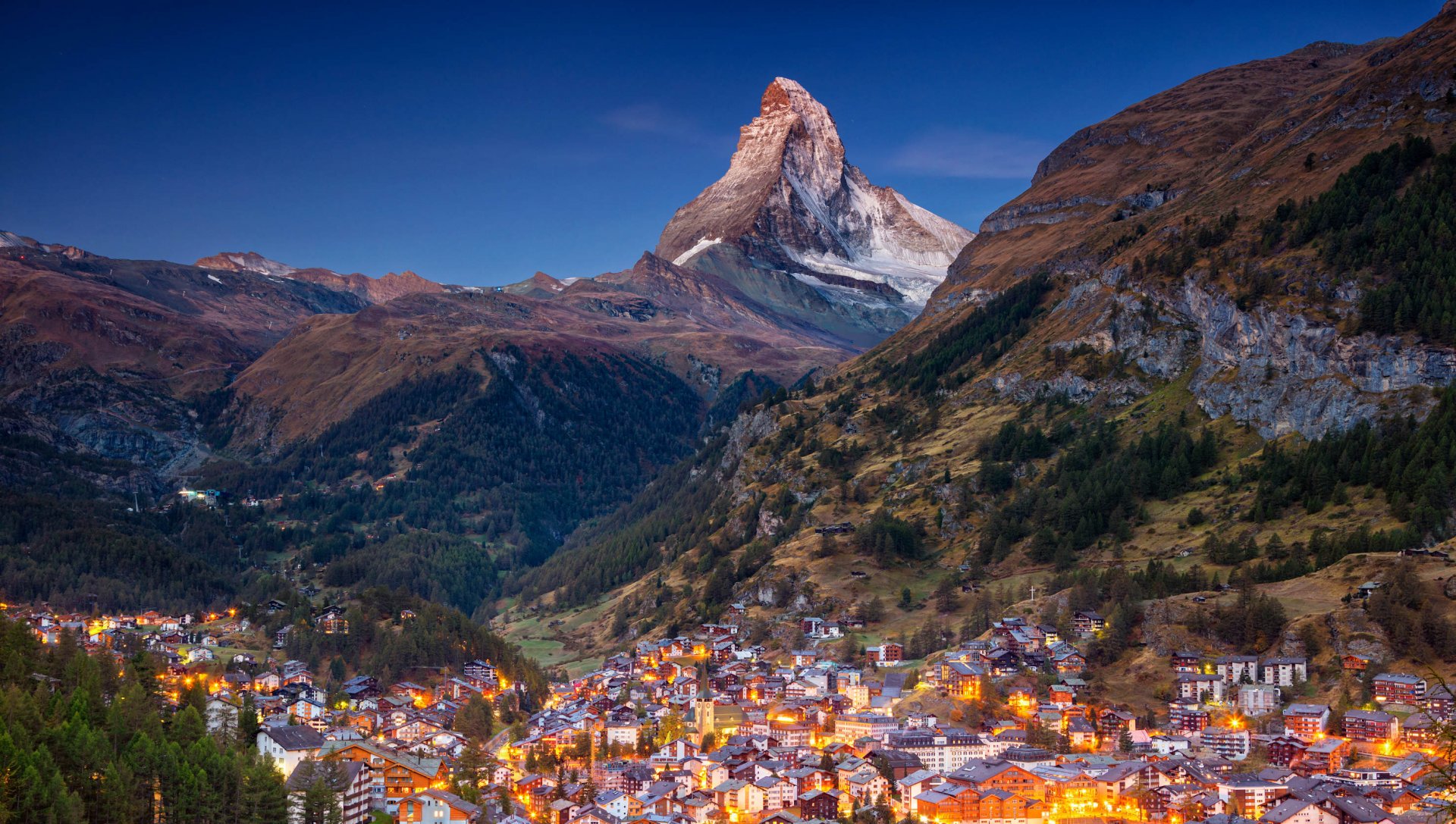
This last hike takes us to the hamlet of Zmutt, nested at the foot of the Matterhorn : a fantastic area to admire this legendary summit. Our trek ends in Zermatt, in early afternoon.
Elevation gain and vertical loss : 2,300 feet - Distance : 5 miles
×
Booking
Book your activity
Calculate your carbon footprint
Discover the carbon emissions of this activity and add your trip to the meeting point.
CO2 emitted per person for the activity: 94 kg. Learn out more about the footprint calculation of this activity
CO2 emitted per person for the activity: 94 kg. Learn out more about the footprint calculation of this activity
CO2 emitted per person for this activity & journey(s) = 0 kgIn order to limit global warming to +2°C by 2100, the COP-21 agreement stipulates that each human should emit no more than 2t of CO2 per year. According to the French Ministry of Ecology, today European citizens emit an average of 11t per year, and American citizens emit an average of 21t annually., or 9.4€The price for a ton of CO2 is currently 100€ in the European Union to offset.
Find out more about our zero impact strategy.
x